
MOSEN Digital Piano Review: A Great Weighted Keyboard for Practice & Fun
If you’ve ever gone on the hunt for a new digital piano, you know the struggle—it’s got to feel good to play, sound great, and hopefully offer a few extra features without becoming overly complicated.
disclaimer: this article contains my affiliate link
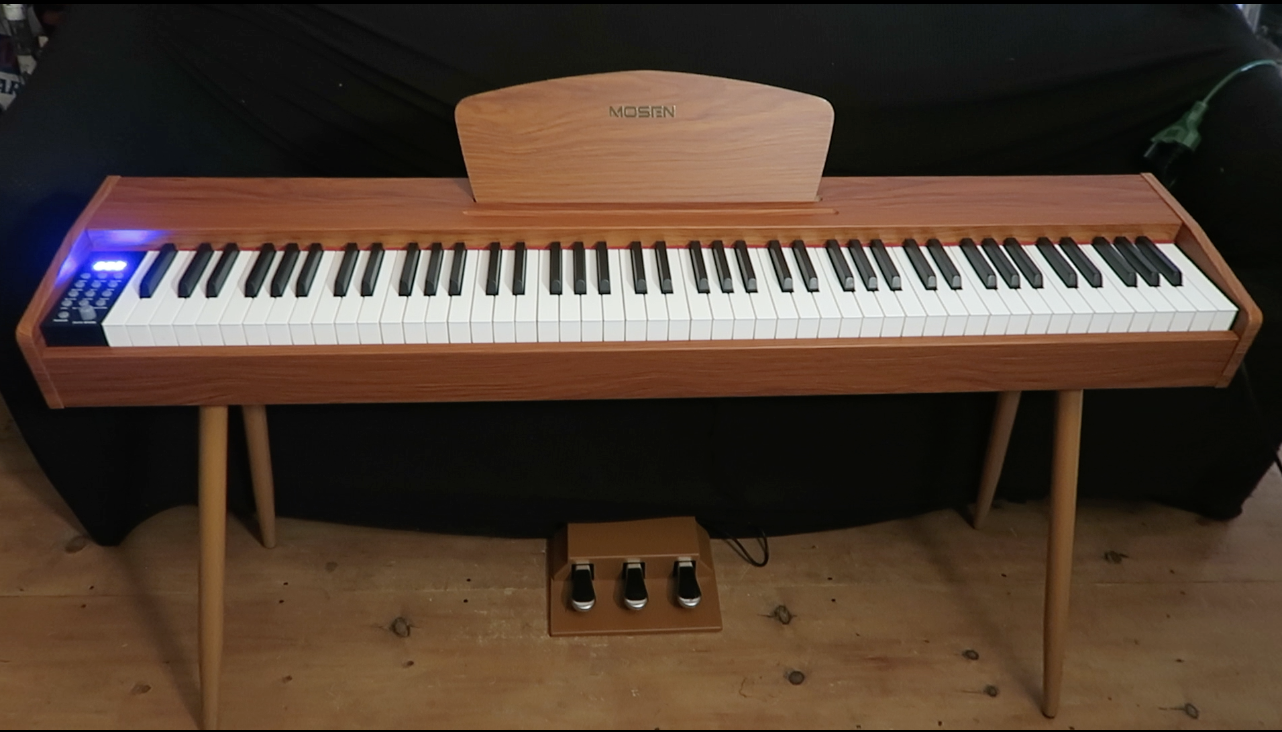
That was exactly my mindset when I started looking for a new instrument to add to my home music setup. I wanted something full-size, with realistic key action, decent built-in sound, and the ability to connect to my computer for music production. After some research, I landed on the MOSEN Digital Piano 88-Key Weighted Keyboard, and I’ve been pleasantly surprised.
Here’s my full review—including setup, features, and what really stood out for me.
Unboxing & First Impressions
The MOSEN arrives in a neatly packed, keyboard-sized box. Everything inside is well protected and organized. Here's what you get in the box:
The full-size digital piano
Aluminum legs
Music stand
Triple pedal unit
Power adapter
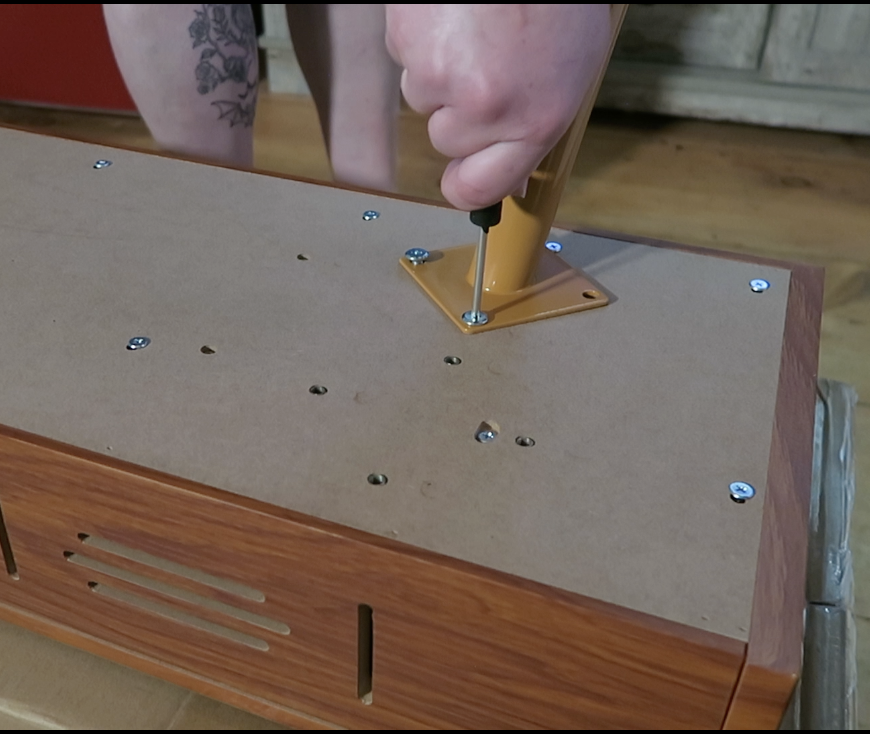
Assembly is straightforward. The legs are a lightweight metal and screw right into the base with minimal effort. The pedal board, power cord, and other components plug right into the back of the unit. Honestly, I had it out of the box and ready to play in about 20 minutes.
Easy to Use with Intuitive Controls
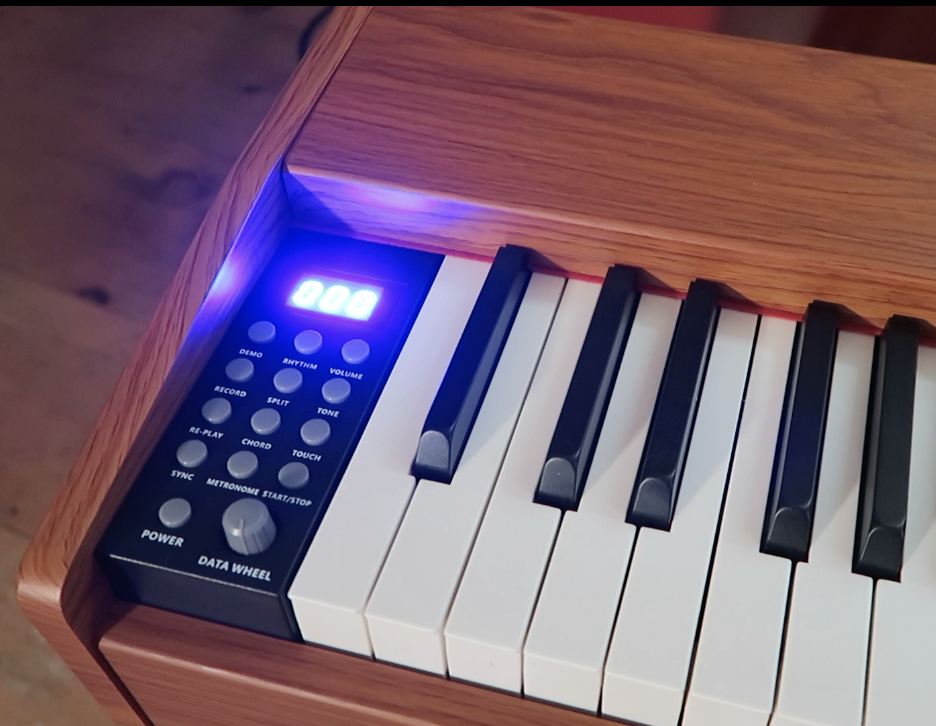
One thing I appreciate right away is how user-friendly the control panel is. Every function has a dedicated button, and selections are made with a simple data wheel. For example:
Press "Tone" to select a different instrument sound, then scroll with the wheel to choose your setting.
Use the wheel to adjust volume as well.
Each setting is labeled clearly, making it great for beginners and seasoned players alike.
Connectivity: A Versatile Setup
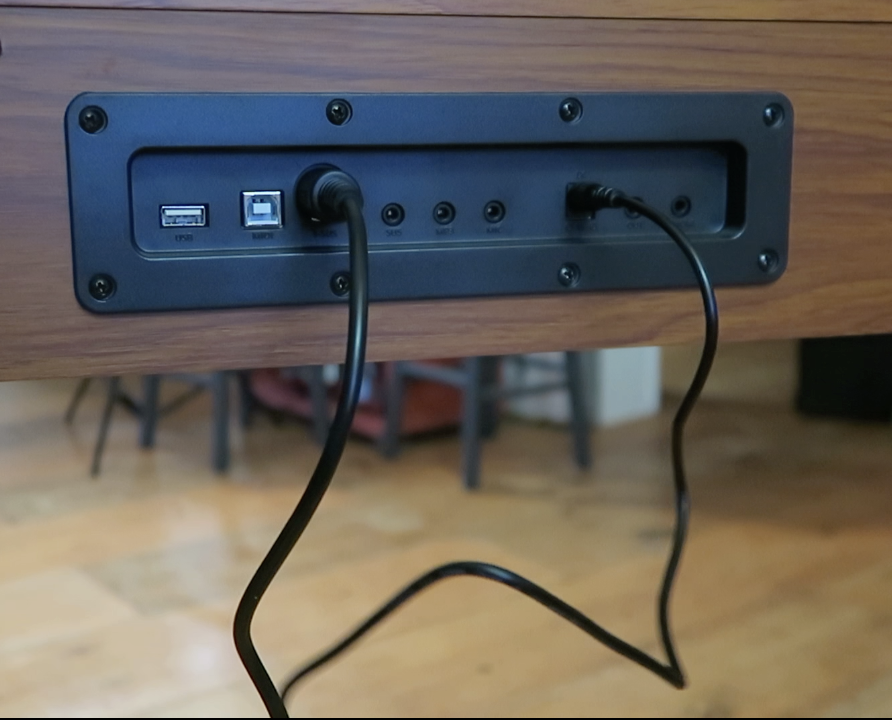
This digital piano isn’t just about playing piano—it’s built to integrate with your home setup. Here’s what you can connect:
Headphones (for quiet practice)
USB-MIDI to your computer (to use it as a MIDI controller)
Microphone
Bluetooth speaker
USB port for external devices
If you’re into recording, composing, or even just jamming out without waking the whole house, this flexibility is a major plus.
Built-In Rhythms & Auto-Accompaniment
There are many built-in rhythms that make playing with lead sheets or fake books more fun. You can:
Press a chord button to trigger harmonies under your melody.
Use the sync start function to have the rhythm begin automatically when you play your first note.
Let the metronome adjust to the rhythm tempo (although there’s no separate tempo control for metronome-only use).
This is a great feature for those who want to improvise or simulate a band backing them up.
My Favorite Feature: The Record Function

I absolutely love the record function on the MOSEN. It’s so easy to use—you can quickly record a part and then layer a second part over it for a duet effect. This is perfect for practice, songwriting, or just having fun experimenting with musical ideas.
Pedal Functionality: A Realistic Feel
The triple pedal board is another area where this piano shines. Here’s what each pedal does:
Right pedal: Sustain – the most commonly used pedal.
Middle pedal: Sostenuto – sustains only the notes you’re pressing when you activate the pedal.
Left pedal: Una corda (soft pedal) – softens the sound, and in my experience, it’s quite effective, even more so than some acoustic pianos.
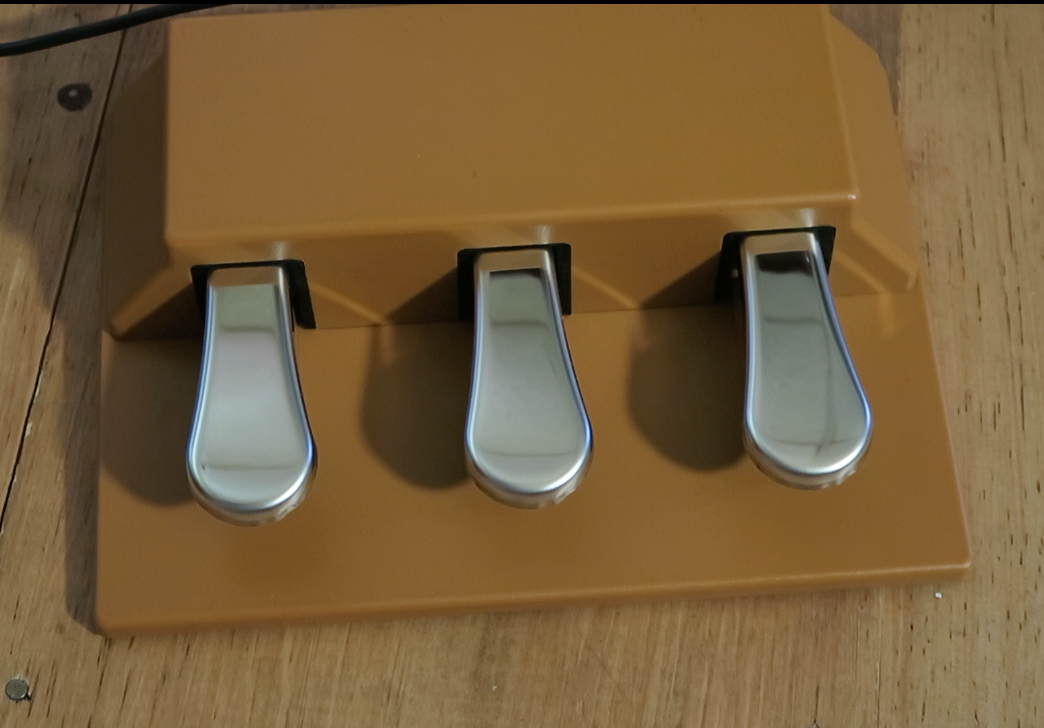
The pedals are responsive and make the piano feel more expressive, especially when playing dynamic classical or emotional pieces.
The Key Action: Fully Weighted and “Toothy”
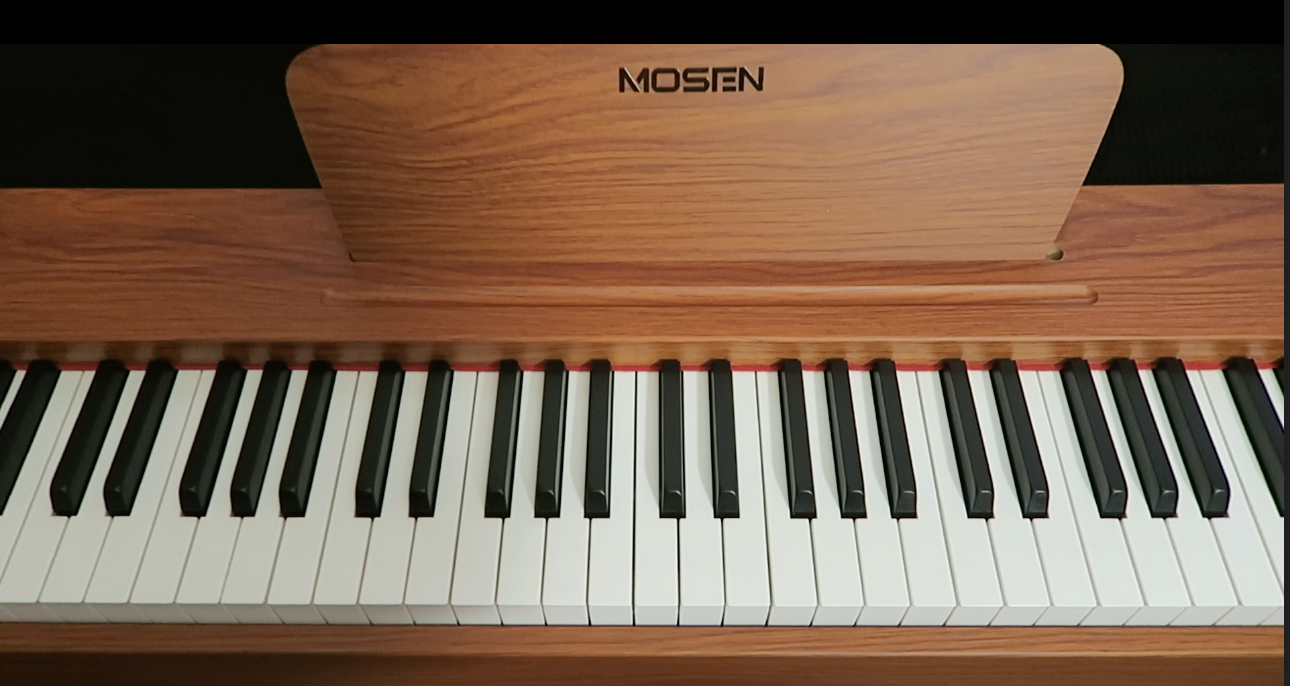
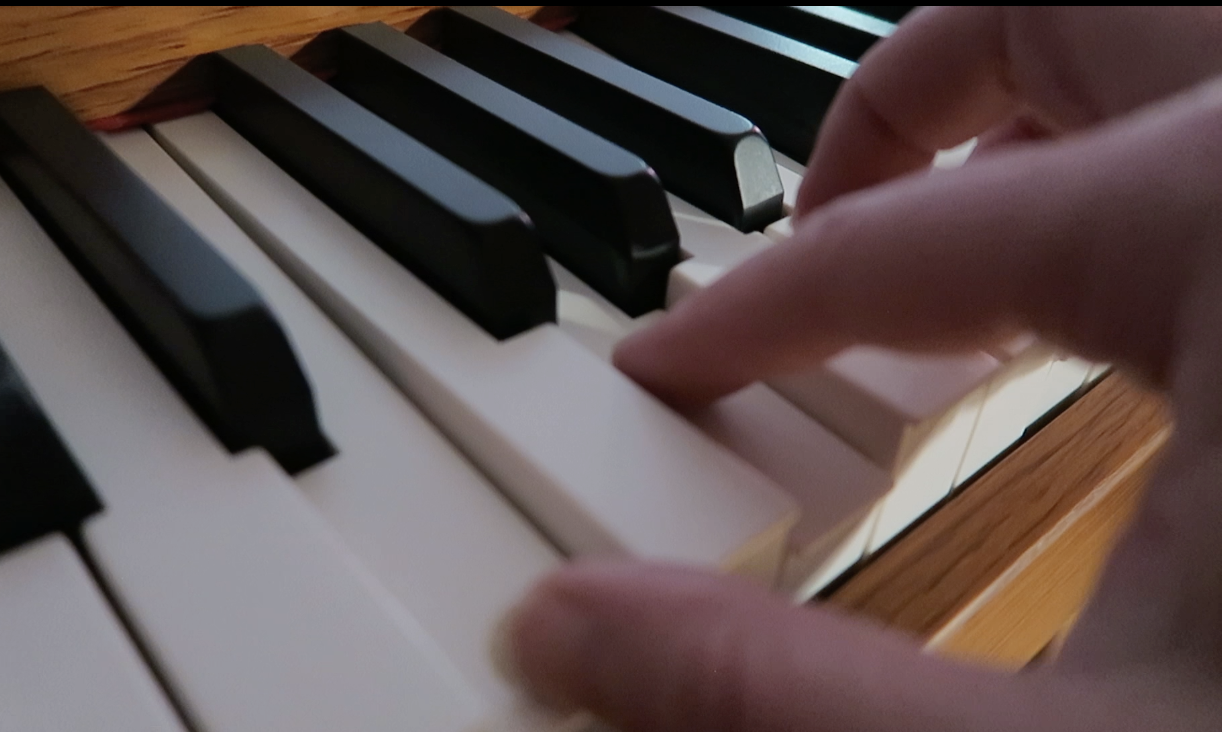
This is where the MOSEN really impressed me. The 88 fully weighted keys have a toothy, slightly textured feel that mimics a grand piano. This key resistance is so important for building finger strength and maintaining good technique. I honestly wasn’t expecting such a realistic touch in this price range.
Final Thoughts: A Solid Piano with Bonus Features
If you’re looking for a digital piano to practice on daily, the MOSEN Digital Piano is a strong contender. The weighted keys, sound quality, and pedal responsiveness make it a solid instrument all on their own. And the extra features—tones, rhythms, recording, connectivity—are just a nice bonus.
Whether you’re a beginner looking for something dependable to grow with, or a more advanced player in need of a second instrument for quiet practice or recording, this one’s worth checking out.
Have questions or want a deeper demo of any of the features? Leave a comment or reach out! I’ll be doing a follow-up video soon showing some of the instrument tones and rhythm options. Until then, happy playing!
